Story By Nyetoh Julitta
Chieftaincy funerals in Dagbon are very important events that are deeply rooted in centuries of tradition. These funerals are not just mere rites performed to usher the dead into the spiritual world; they also serve as strong expressions of the rich cultural heritage of the people of Dagbon.
There are several key components of Royal funerals in Dagbon, which are made up of traditions, symbols, and cultural regalia, among others. These components hold great depth with spiritual or cultural meanings.
In Dagbon culture, chieftaincy funerals serve as a way of preserving culture and tradition. The rituals, songs and performances at the funerals are passed down through generations, preserving the identity and customs of the people.
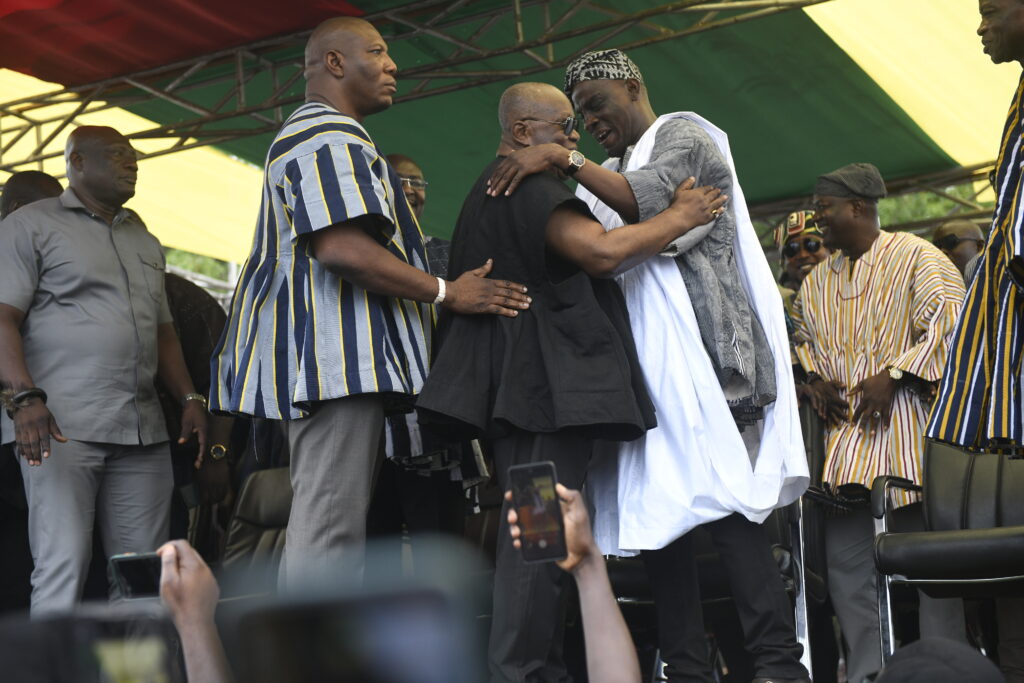
Also, they serve as a space for social and political transition. As part of the rites performed at the funeral, a new chief is eskinned, maintaining political continuity and social order in the community. In the case of the Mionlana’s funeral, the presence of political leaders and other dignitaries at the funeral provided safer grounds for the smooth enskinment of the new chief. This illustrates how political figures and individuals in positions of authority play crucial roles in maintaining social order.
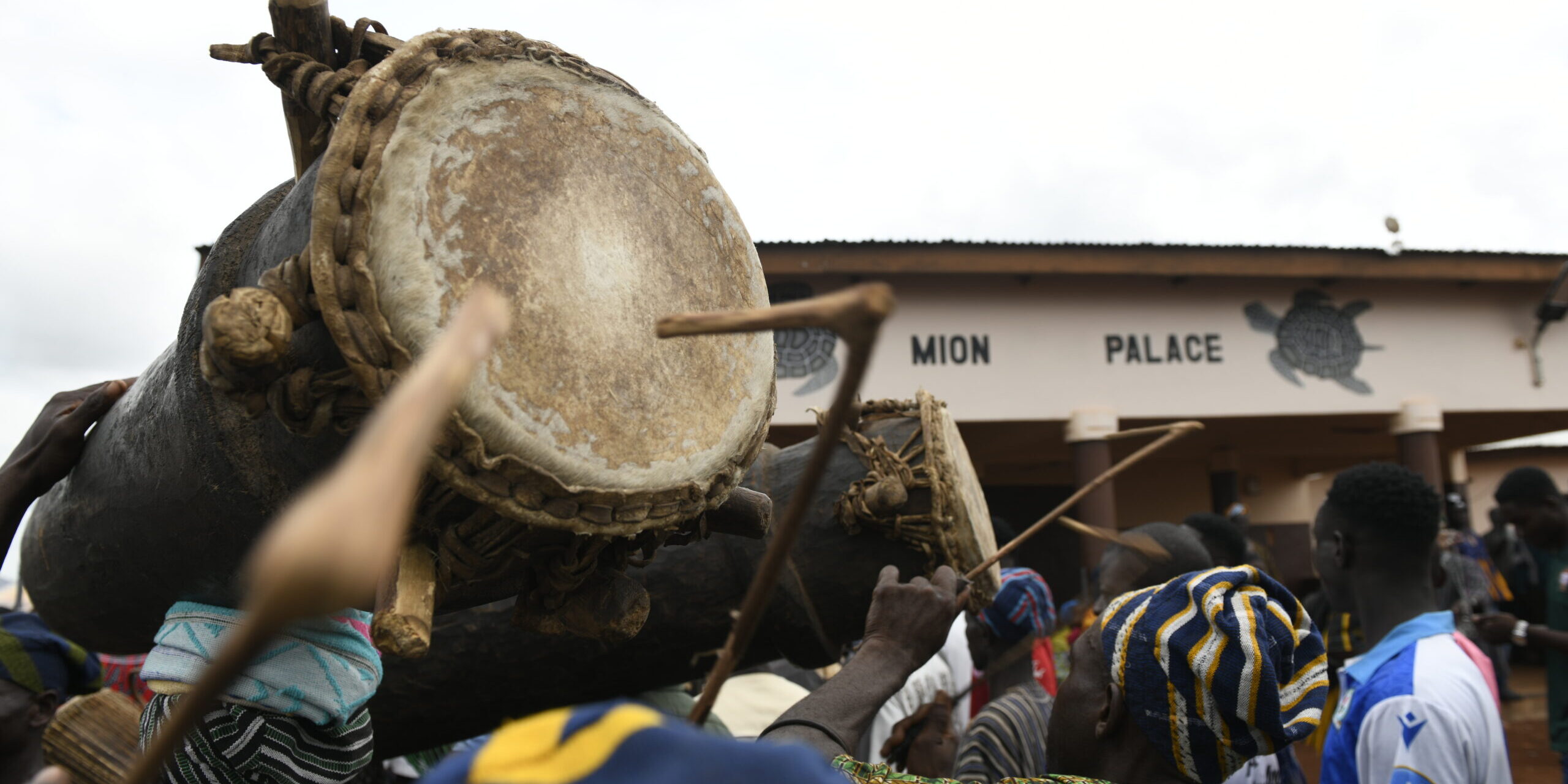
Cultural arts such as music, dance, and oral poetry are integrated into the celebration. These arts narrate the life and achievements of the deceased chief, expressing communal grief and pride, while entertaining attendees, blending mourning with celebration.
Lastly, they function as a spiritual connection between the people and their ancestors. Chieftaincy funerals in Dagbon are very spiritual. The rituals performed are believed to guide the soul of the deceased chief to the ancestral world. This fosters a connection between the people and their ancestors as they believe their ancestors continue to protect them even in death.
Chieftaincy funerals in Dagbon are more like celebrations, and they incorporate governance, spirituality, and the rich tradition of the Dagomba people. They serve as an example of how tradition and identity are honoured and passed down uniquely and beautifully.