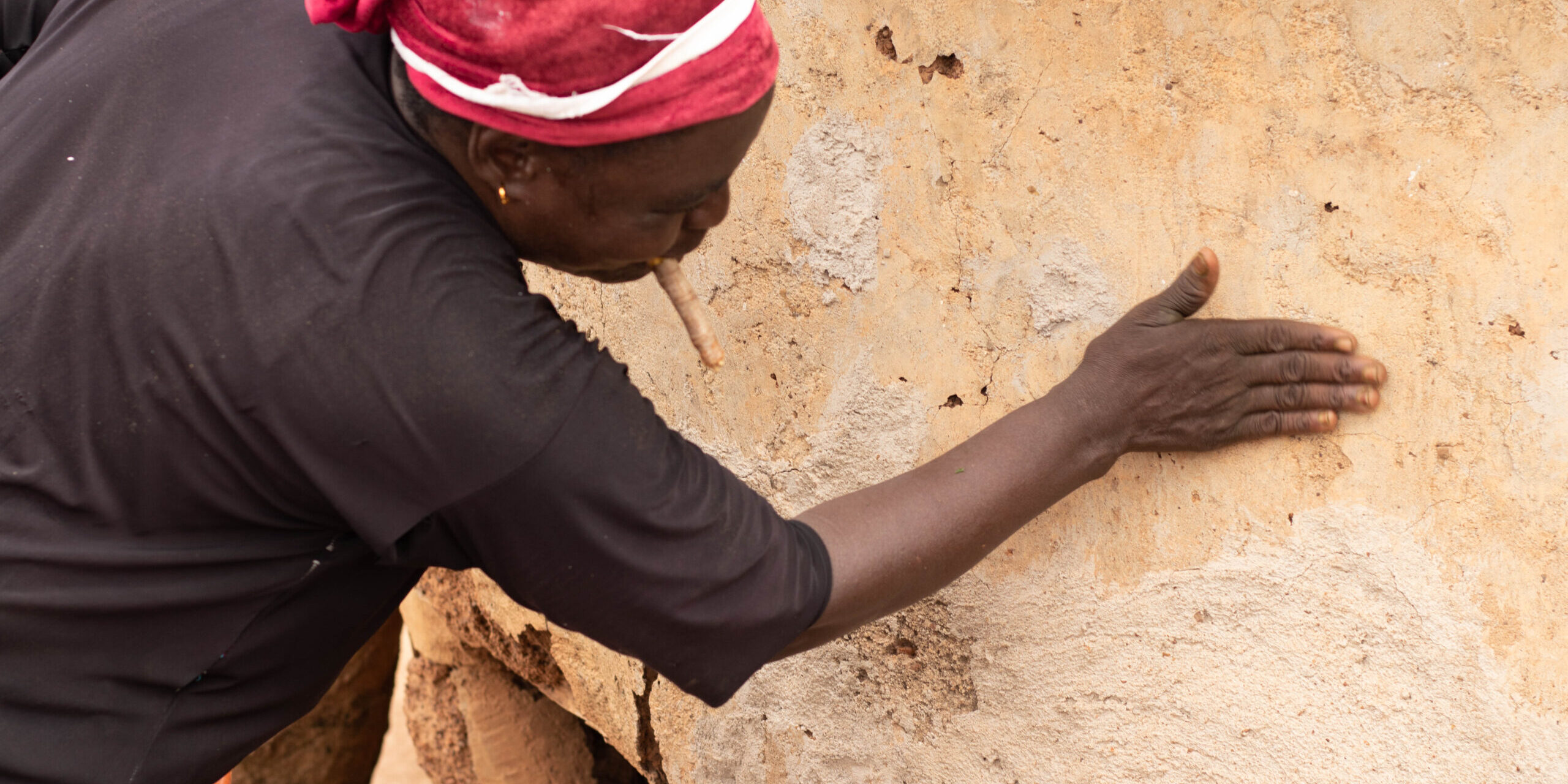
Photo Story by: Vitus Yourbeviel
Traditional homes in local communities are not merely trophies of the past; they stand as living
testaments to tradition, resilience, and architectural wisdom. Cheyohi, a community in the
Kombongu District of the Northern Region is one of the few places that still preserves its
architectural heritage, carrying history forward while passing it on to future generations. Despite
the presence of modern buildings, many families in Cheyohi continue to construct and live in
mud homes.
Madam Sanaatu, who is in her late 50s, explained that these homes were inherited from their
parents and passed down to them. However, she fears they may not be passed on to the next
generation due to the growing preference for modern structures.
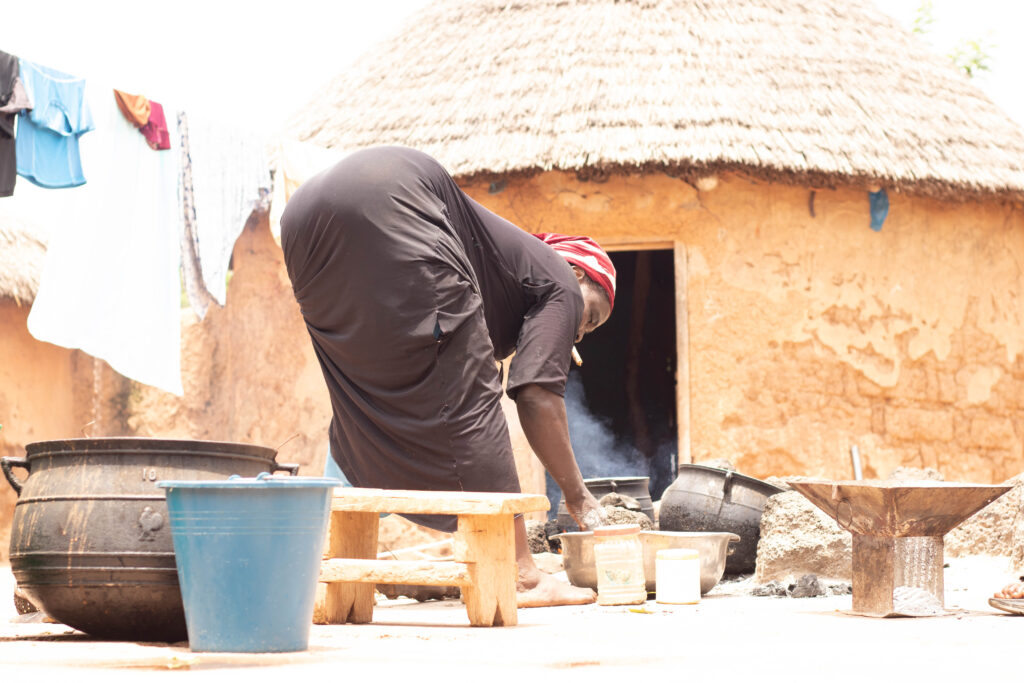
Mud homes in Cheyohi are built in circular shapes to adapt to the natural contours of the land
and make efficient use of space. The buildings are grouped to form a compound, with
a central courtyard used for cooking and nighttime storytelling. These homes are known for
being cost-effective and spacious enough to house entire families. Interestingly, residents note
that the homes naturally regulate temperature. The interiors remain warm during the rainy
season and cool during the dry season, offering comfort throughout the year.
Materials used to build these homes include dry grasses, mud clay, water, and logs from trees.
Men typically gather the logs and clay and mix them with water to begin construction, while
women and children collect dry grasses and skillfully sew them together to create thatched
roofs.
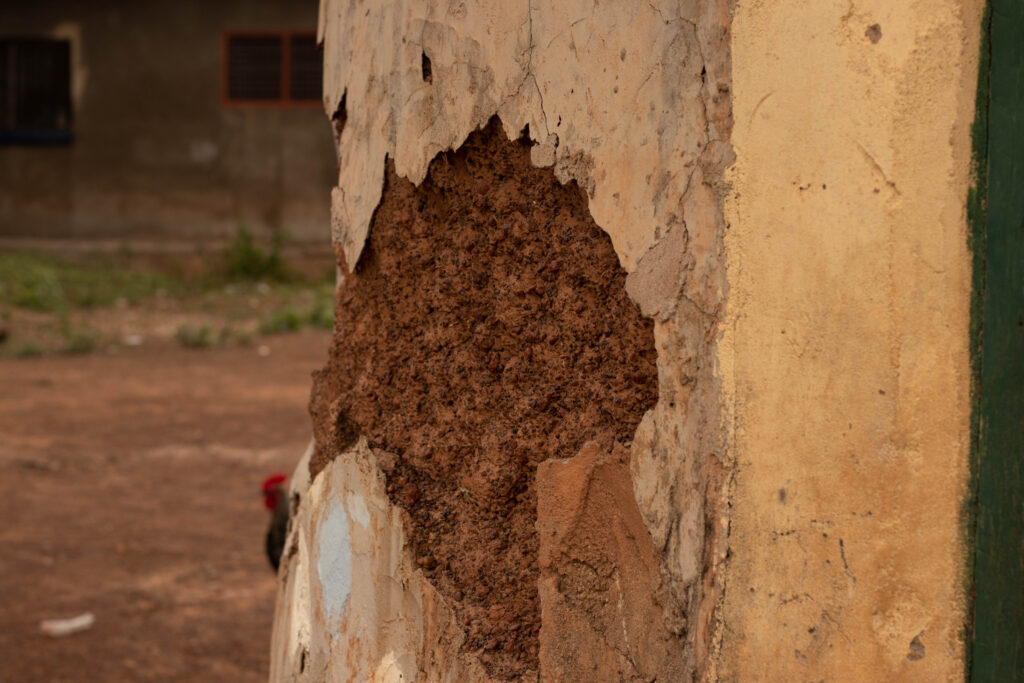
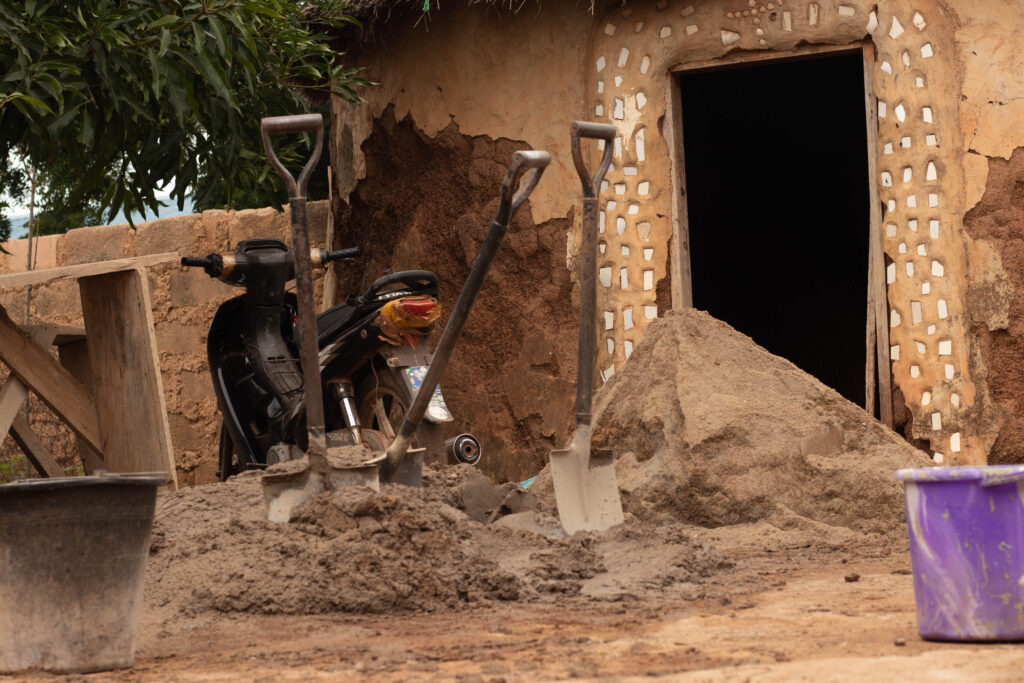
A major challenge faced by residents is the erosion of the walls due to heavy rainfall. Many of
the homes develop large cracks, some are reinforced with wooden logs, and others are patched
with sand and cement, a process that often has to be repeated every year. Additionally, the high
rate of bush burning has made it harder to find materials. “Unlike before, we didn’t have to go
far to get dry grasses for the thatched roofs. Now we walk long distances just to find them, and
that’s because of bush burning,” Madam Sanaatu added.
A few local organizations and scholars have begun documenting and promoting the cultural and
architectural value of these traditional homes, hoping to preserve them before they vanish
completely.