
A Royal funeral in Northern Ghana is far more than a ceremony of mourning. It is a living archive of history, identity, spirituality and tradition. It is where centuries-old customs come alive through symbolism, music dance, ritual and the collective memory of a people. Every gathering becomes a powerful reminder that culture is not merely inherited – it is performed, protected and passed on.
The funeral of the Overlord of the Dagbon Kingdom, Ya-Na Abukari II, was one of such defining moments. While the occasion marked the passing of a revered monarch, it also celebrated a remarkable legacy, offering a profound visual narrative of resilience, ancestry and royal heritage.
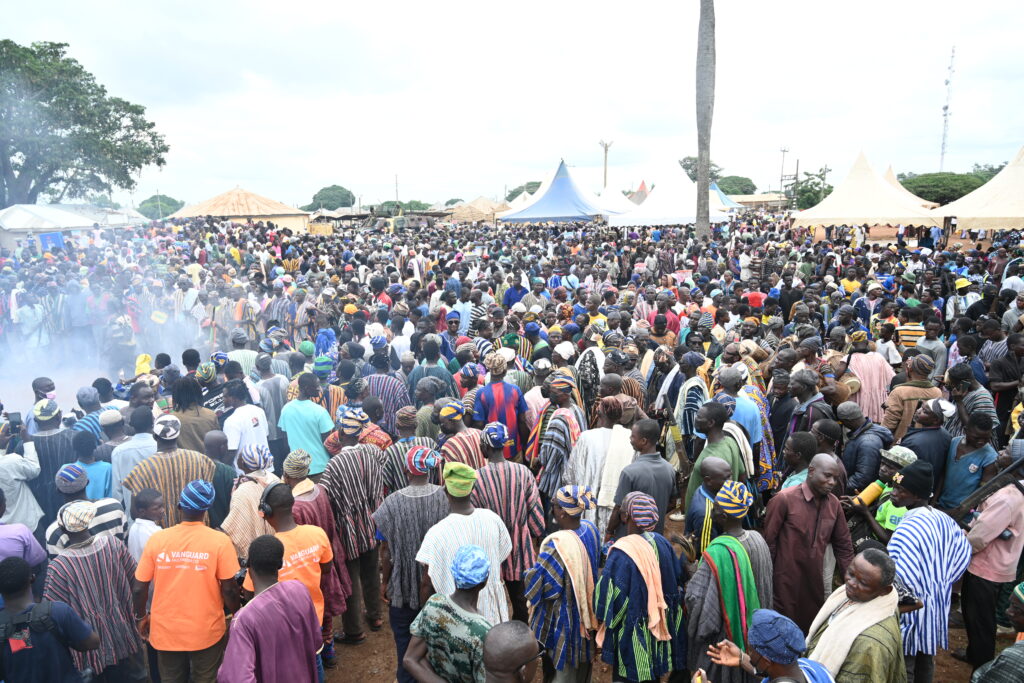
As dawn broke over the Gbewaa Royal Palace in Yendi, streams of mourners, chiefs, elders, royals, dignitaries and community members converged from across Ghana and beyond. Clothed in magnificent traditional regalia adorned with beads, cowries, leatherwork and finely crafted ornaments, every individual became a part of a larger story. Each garment, colour and symbol reflected lineage, honour, responsibility and belonging within the rich cultural tapestry of Dagbon.
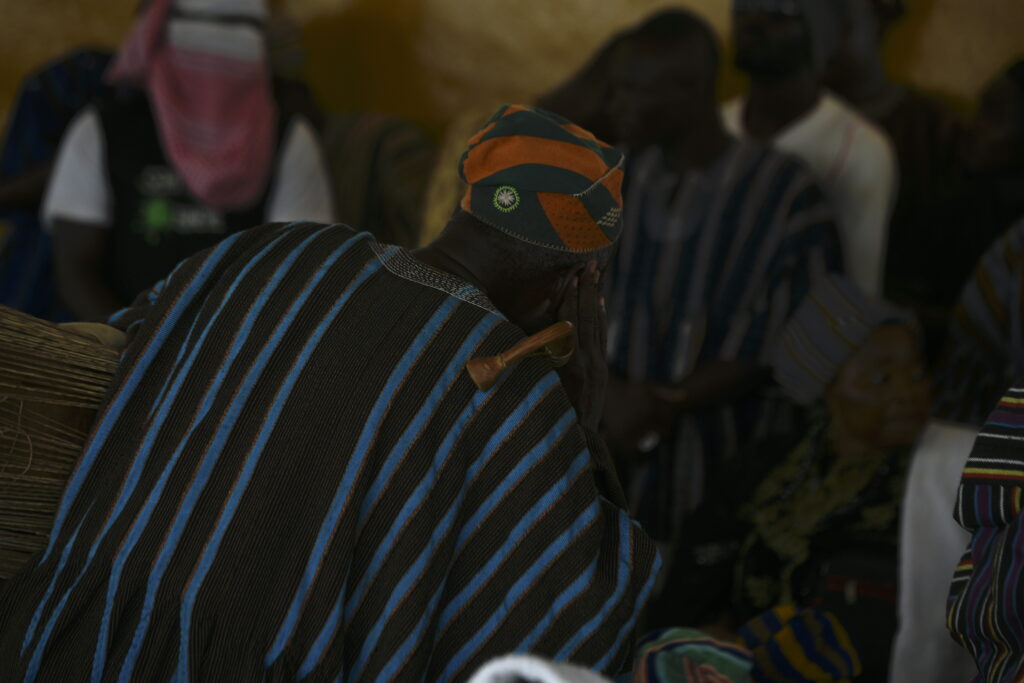
The atmosphere carried a delicate balance of grief and dignity. Faces revealed quiet sorrow, unwavering strength and deep reverence. These emotions unfolded naturally, creating unforgettable moments that spoke louder than words. The rhythmic sound of talking drums, flutes and traditional harps echoed through the palace grounds, guiding mourners through a journey of remembrance. Every beat carried meaning. Every rhythm became a conversation between the living and the ancestors, honouring the life and reign of the late Ya-Na.
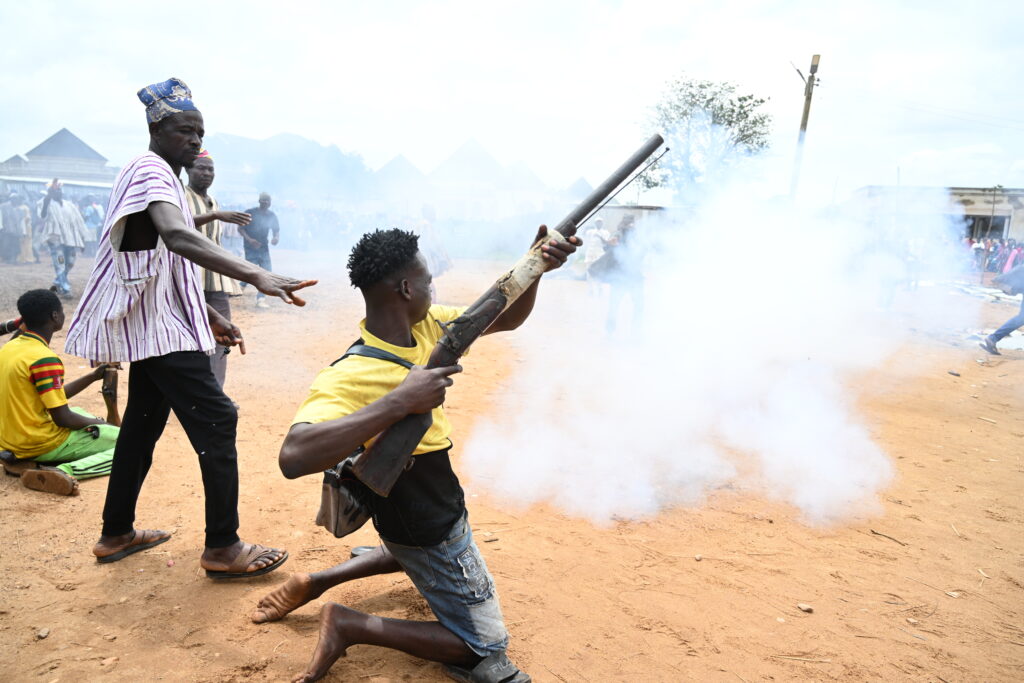
One of the most striking spectacles was the ceremonial gunfire performed by the Sapashini. Armed with locally crafted muskets loaded with gunpowder, they fired powerful salutes that thundered across the landscape. The earth seem to tremble with every explosion. Some spectators watched in awe, others instinctively stepped back in surprise, while many applauded each ceremonial display. More than a demonstration of strength, the gunfire symbolized honour, protection and a final royal salute to the departed king.
Beyond rituals, the funeral became a remarkable celebration of Dagbon’s artistic traditions. Music, dance, oral poetry and ceremonial performances transformed the mourning into a profound cultural experience. The master drummers, entrusted with responsibilities reserved only for selected custodians of tradition, performed rhythms handed down through generations. Their music was not entertainment; it was a sacred tribute that accompanied the king’s spirit on its ancestral journey.
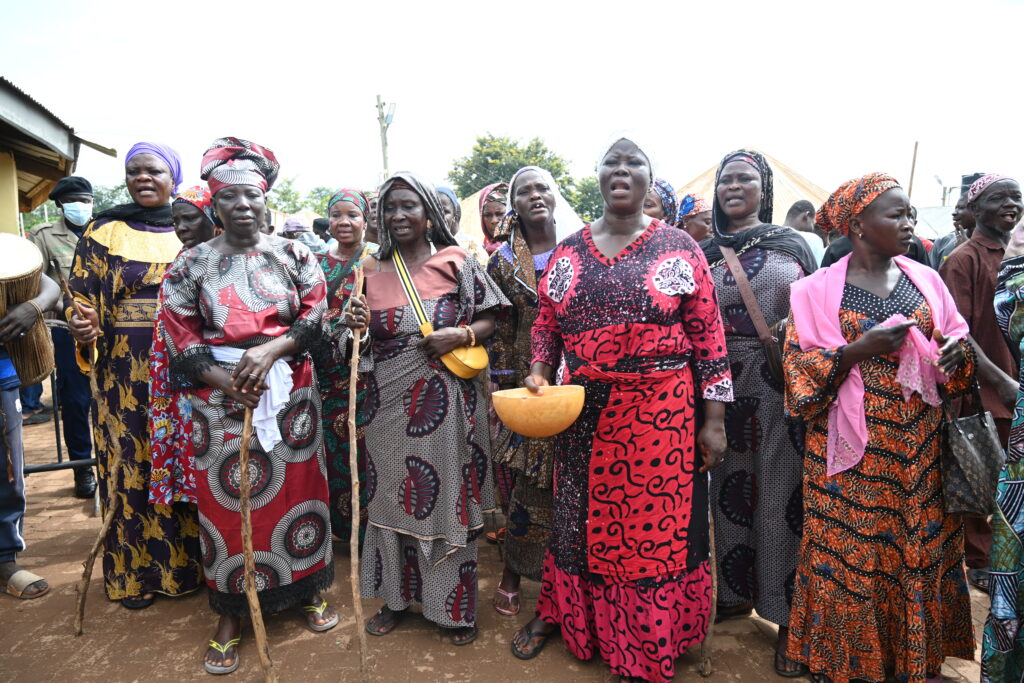
Dance equally played a central role. Women, dressed in elegant traditional attire, moved gracefully through the ceremonial grounds with performances that honoured both the departed monarch and the visiting chiefs who had travelled to pay their respects. Their movements carried messages of unity, gratitude, resilience and continuity, reminding everyone present that life, even in moments of loss, must continue.
Perhaps, the most emotionally powerful moments came through oral tradition. Praise singers delivered poetic eulogies celebrating the courage, wisdom, leadership and achievements of Ya-Na Abukari II. Their carefully crafted words stirred reflection, comforted grieving families and reaffirmed the enduring connection between the living and their ancestors. In these spoken narratives, history was preserved not through books but through memory, performance and voice.
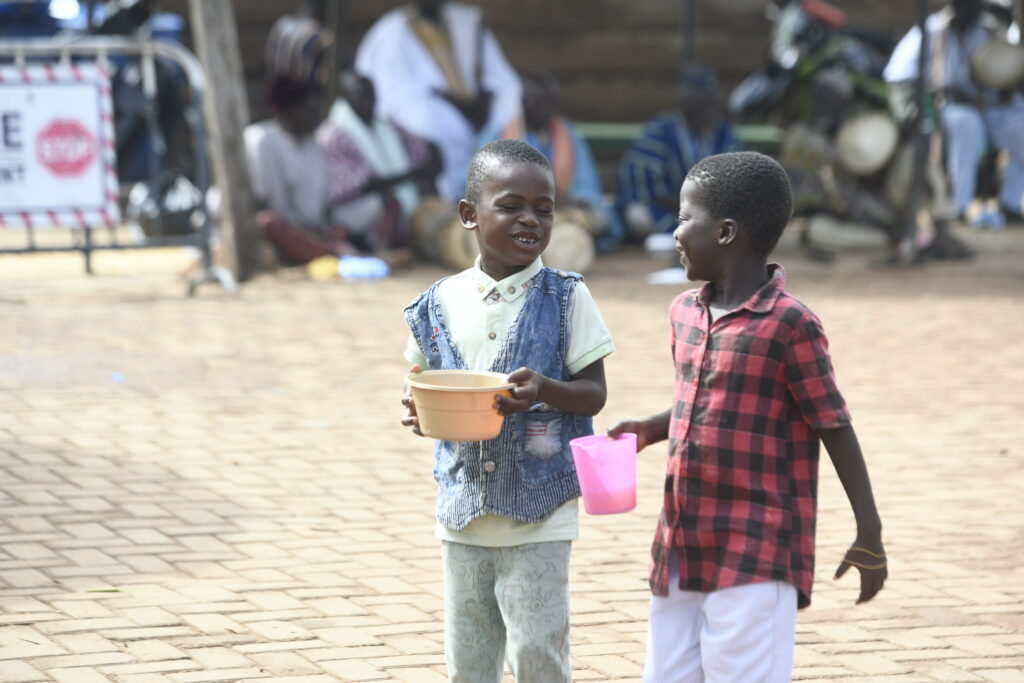
For younger generations observing the ceremonies, the funeral became an open classroom of culture. Every ritual, symbol, performance and procession offered lessons about identity, respect, leadership and belonging. It demonstrated that royal traditions remain an essential bridge between the past, present and future.
The royal funeral of Ya-Na Abukari II was therefore much more than a farewell. It was a visual testimony to the enduring strength of Dagbon’s cultural heritage – a celebration of ancestry, unity, spirituality and collective identity. It reminded all who witnessed it that while the kings may pass, their legacy lives on through the traditions, stories and people who continue to honour them.
Through the lens of Buta Visual Agency, these moments become more than photographs. They become enduring records of history, preserving the emotional depth, cultural richness and timeless heritage of one of Africa’s most remarkable royal traditions for generations yet to come.